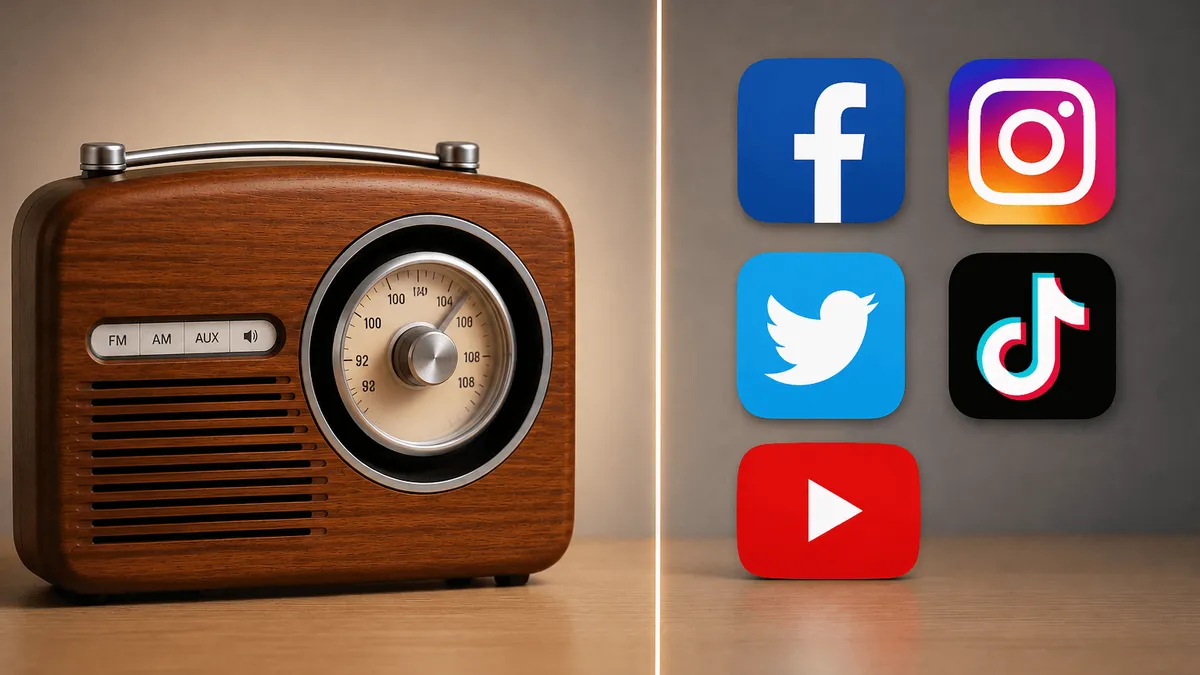
Radio advertising has been a cornerstone of marketing for over a century. Unlike visual media, radio relies solely on sound to capture attention, build emotion, and persuade audiences. Despite the rise of television, digital advertising, and streaming platforms, radio has remained a vital tool due to its reach, intimacy, and affordability, making it a powerful form of audio advertising in today’s media landscape.
Here’s a comprehensive look at the best radio ads of all time, what made them iconic, and why they worked.
1. Wendy’s – “Where’s the Beef?” (1984)
One of the most famous radio campaigns in history, Wendy’s “Where’s the Beef?” launched alongside its TV counterpart in 1984. The ad’s humor and simplicity made it an instant catchphrase. On radio, the campaign used a wry female voice asking the famous question, highlighting competitors’ small burger patties compared to Wendy’s hearty offerings.
Why it worked:
- Memorable, repeatable phrase that audiences could quote.
- Clear competitive advantage (larger burgers).
- Humor connected emotionally with listeners.
Impact:
Wendy’s sales spiked, and the slogan became part of American pop culture. The campaign illustrates how short and punchy messaging can create enormous brand recall on radio.
2. Alka-Seltzer – “I Can’t Believe I Ate the Whole Thing” (1970s)
This classic ad captured the discomfort of overindulgence, with a humorous approach that made it relatable. The spot featured a man lamenting his overconsumption after a meal, paired with Alka-Seltzer’s soothing solution.
Why it worked:
- Relatable storytelling that mirrored everyday experiences.
- Humor to reduce resistance and make listeners remember the brand.
- Clear demonstration of product benefits.
Impact:
The campaign strengthened Alka-Seltzer’s brand identity as the go-to remedy for digestive discomfort and became a long-lasting example of humor in radio advertising.
3. Avis – “We Try Harder” (1962)
Avis’ famous campaign positioned the company as the underdog in car rentals. On radio, ads emphasized honesty and a commitment to customer service, with lines like “We’re number two, so we try harder.”
Why it worked:
- Self-deprecating humor builds trust.
- Unique positioning differentiated Avis from competitors.
- Radio allowed for conversational delivery, making the brand approachable.
Impact:
Avis became a respected car rental brand, proving that authenticity and humility could create loyalty through audio storytelling.
4. Old Spice – “The Man Your Man Could Smell Like” (2010, Radio Adaptation)
Originally a TV campaign, Old Spice successfully adapted its cheeky, fast-paced humor for radio. The ad relied on creative narration and exaggerated masculinity to engage listeners.
Why it worked:
- Humor and memorable dialogue captured attention.
- Strong & distinctive brand voice translated well without visuals.
- Adaptation across platforms reinforced brand recall.
Impact:
This campaign revitalized Old Spice, especially among younger male demographics, demonstrating the power of cross-media radio adaptation.
5. Burger King – “Subservient Chicken” (2004, Radio Adaptation)
Burger King’s viral Subservient Chicken campaign extended to radio by using absurdist humor and interactive prompts, creating curiosity and conversation.
Why it worked:
- Leveraged virality from digital campaigns.
- Innovative storytelling created listener engagement.
- Memorable, unusual content encouraged repeat listening.
Impact:
The campaign illustrated how digital creativity could be effectively translated to radio, connecting traditional and modern marketing.
6. Volkswagen – “Think Small” (1960s, Radio Version)
Volkswagen’s campaign challenged conventional notions of automotive marketing. On radio, the ads used concise copy, understated tone, and clever wordplay to appeal to practical-minded consumers.
Why it worked:
- Simple & memorable messaging.
- Focused on product benefits without exaggeration.
- Established VW as a practical & modern alternative.
Impact:
Helped redefine small cars in the U.S., showcasing how intelligent copywriting can make radio advertising persuasive and memorable.
7. Maxwell House – “Good to the Last Drop” (1930s–1950s)
One of the longest-running radio campaigns, Maxwell House’s slogan became synonymous with quality coffee. The ads paired a comforting voice with a rhythmic jingle, creating brand familiarity.
Why it worked:
- Consistent repetition over decades.
- Emotional connection via warmth and comfort.
- Clear association with product quality.
Impact:
Demonstrated the enduring power of jingles and repetition in building brand identity on radio.
8. Coca-Cola – “I’d Like to Buy the World a Coke” (1971, Radio Adaptation)
This iconic campaign transcended its TV roots. On radio, the ad used song and storytelling to communicate unity, optimism, and happiness.
Why it worked:
- Emotional resonance through music.
- Universal message that listeners could relate to.
- Strong brand association with joy and connection.
Impact:
Solidified Coca-Cola’s image as a brand promoting happiness and togetherness, proving that emotion-driven radio ads could leave a lasting cultural impact.
9. U.S. Army – “Be All You Can Be” (1980s–1990s)
Motivational and aspirational, these radio spots targeted young adults, emphasizing career growth, adventure, and personal development.
Why it worked:
- Clear & aspirational messaging.
- Inspirational tone created emotional attachment.
- Reinforced the Army’s value proposition.
Impact:
The campaign boosted enlistment and is remembered as one of the most effective radio campaigns.
10. State Farm – “Like a Good Neighbor, State Farm is There” (1971–Present)
State Farm’s radio campaign has remained a staple for decades. Its simple message of trust and reliability, paired with a catchy jingle, has made it instantly recognizable.
Why it worked:
- Simple & clear messaging.
- Emotional reassurance fostered trust.
- Repetition built long-term brand recognition.
Impact:
Cemented State Farm’s position as a household name in insurance and demonstrated the longevity possible in radio advertising.
Why These Ads Stand the Test of Time
Analyzing these campaigns, several patterns emerge that make radio ads effective:
- Memorable Slogans or Jingles: Short & catchy lines stick in listeners’ minds.
- Relatable Storytelling: Ads reflect situations listeners can identify with.
- Humor and Emotion: Funny or emotional content increases engagement and recall.
- Clear Brand Positioning: Listeners immediately understand the product’s value.
- Cross-Platform Adaptability: Successful ads often translate well across TV, radio, and digital channels.