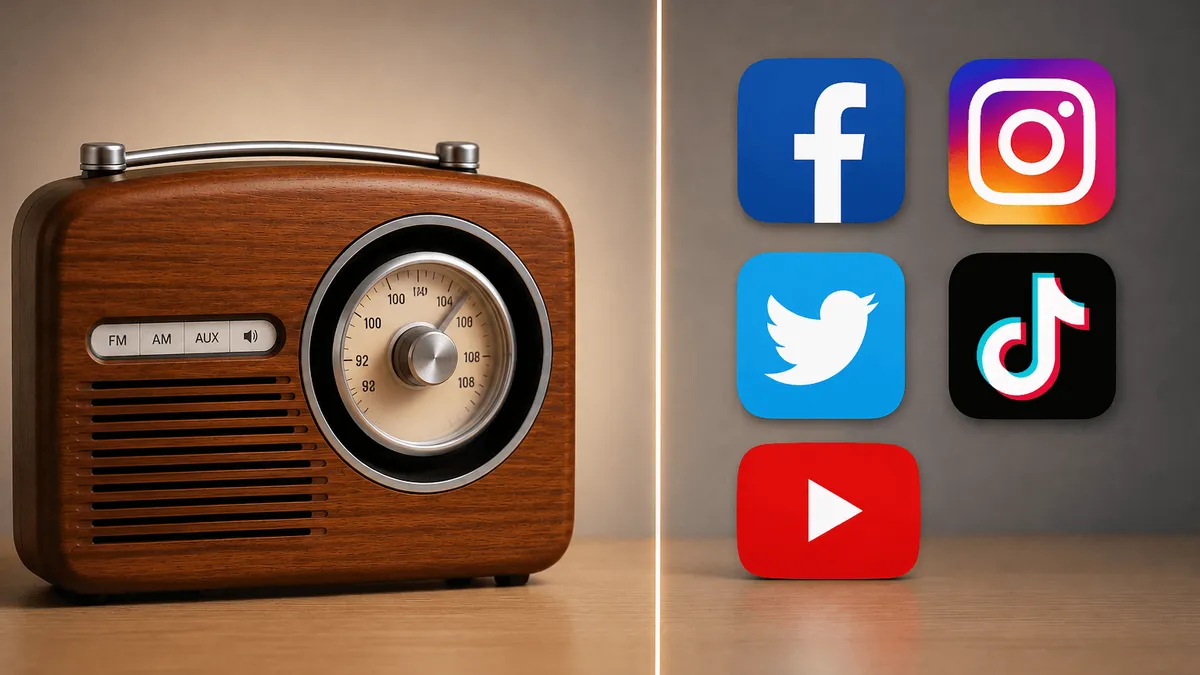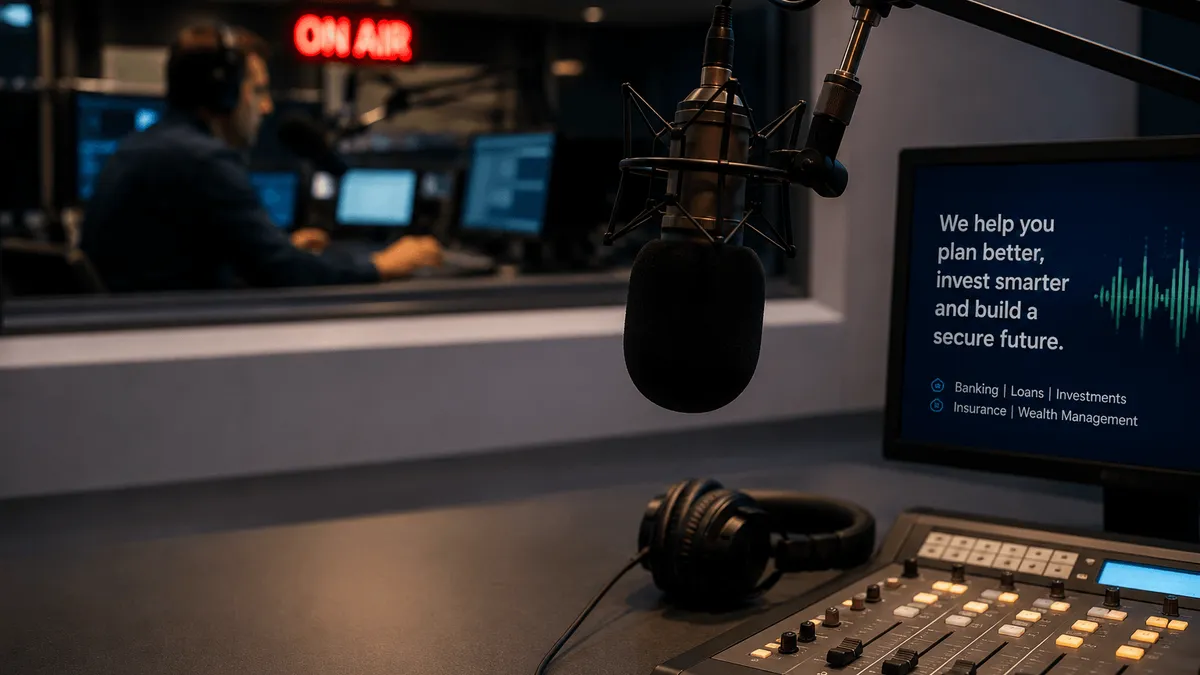
Radio advertising has been around for many decades and is still an important way for brands to reach people. Even though digital platforms like social media and video streaming have grown quickly, radio has not disappeared. Instead, it is changing and becoming more modern, flexible, and data-driven.
The future of radio advertising is not just about traditional FM stations anymore. It now includes streaming platforms, podcasts, smart devices, and AI-powered targeting. Below is a clear and structured explanation of how radio advertising is evolving.
1. Radio Is Moving from Traditional to Digital
In the past, radio was mainly heard through FM/AM stations in cars, homes, or workplaces. Today, many people listen through the internet.
Digital radio includes the following:
- Online radio apps
- Music streaming platforms
- Podcast platforms
- Smart speakers
This shift means advertisers are no longer limited to a specific city or broadcast area. Instead, they can reach global audiences or very specific groups of listeners.
Digital radio also allows better tracking, so advertisers can understand how many people heard an ad and how they reacted to it.
2. Growth of Audio Streaming Platforms
Platforms like Spotify and TuneIn have completely changed how people consume audio content.
Listeners can now:
- Choose what they want to hear
- Skip content easily
- Listen anytime and anywhere
For advertisers, this creates new opportunities such as the following:
- Personalized audio ads
- Programmatic advertising (automated ad buying)
- Targeting based on user interests and behavior
- Ads that change based on location or time
For example, a fitness-related ad can be shown to someone listening to workout playlists, while a food delivery ad can target evening listeners.
3. AI Makes Radio Advertising Smarter
Artificial Intelligence (AI) is improving how radio ads are created and delivered.
AI helps advertisers:
- Understand listener behavior
- Choose the best time to show ads
- Personalize messages for different audiences
- Improve campaign performance
- Reduce wasted ad spending
In the future, two people listening to the same station may hear different ads based on their interests. This makes advertising more relevant and effective.
4. Smart Speakers Are Changing Listening Habits
Smart devices are becoming a big part of everyday life. These devices allow people to play music, news, and radio using voice commands.
This trend is important for advertising because
- Users are always connected
- Voice interaction is becoming normal
- Ads can be delivered through voice assistants
- Local businesses can reach nearby users easily
In the future, people may even respond to ads using voice commands like “buy now” or “learn more.”
5. Programmatic Audio Advertising Is Growing
Programmatic advertising means using technology to automatically buy and place ads.
In radio advertising, this helps brands:
- Reach the right audience faster
- Adjust campaigns in real time
- Reduce manual work
- Improve targeting accuracy
Instead of buying fixed radio slots, advertisers can now use data to decide when and where their ads should play for the best results.
6. Podcasts Are Becoming Very Important
Podcast advertising is one of the fastest-growing areas in audio marketing.
Why podcasts are powerful:
- Listeners trust podcast hosts
- Ads feel more personal and natural
- High engagement from audiences
- Content is often niche and targeted
Common podcast ad types include:
- Host-read ads (most effective)
- Sponsored episodes
- Mid-roll ads during episodes
- Branded podcast series
As podcast audiences continue to grow, brands are investing more in this space.
7. Radio Is Part of Omnichannel Marketing
Modern marketing uses multiple channels together, not just one. This is called omnichannel marketing.
Radio now works alongside:
- Social media ads
- Search engine marketing
- Mobile ads
- Outdoor advertising
A customer might hear a radio ad first, then see the same brand on Instagram, and finally visit the website to make a purchase.
This creates a stronger and more consistent brand message.
8. Better Measurement and Analytics
One of the biggest improvements in modern radio advertising is measurement.
In the past, it was difficult to know if radio ads were effective. Now, digital tools allow advertisers to track:
- Number of listeners
- Ad impressions
- Website visits after ads
- App downloads
- Sales conversions
This makes radio advertising more accountable and easier to optimize.
9. Local Radio Still Matters
Even with all the digital growth, local radio remains very important.
It is still useful for:
- Local businesses
- Community events
- Regional promotions
- Emergency announcements
Local radio builds trust because it feels familiar and personal to the audience.