Radio advertising remains one of the most effective tools for event promotion, even in a digital-heavy marketing world. While social media and online ads dominate attention, radio continues to deliver strong local reach, high trust, and real-time impact, especially for concerts, festivals, exhibitions, sports events, and community gatherings.
Here’s an explanation of why radio advertising works so well for event promotions.
1. Strong Local Reach and Targeting
One of the biggest advantages of radio is its local nature. Most radio stations serve specific cities or regions, which makes them ideal for promoting events happening in a defined location.
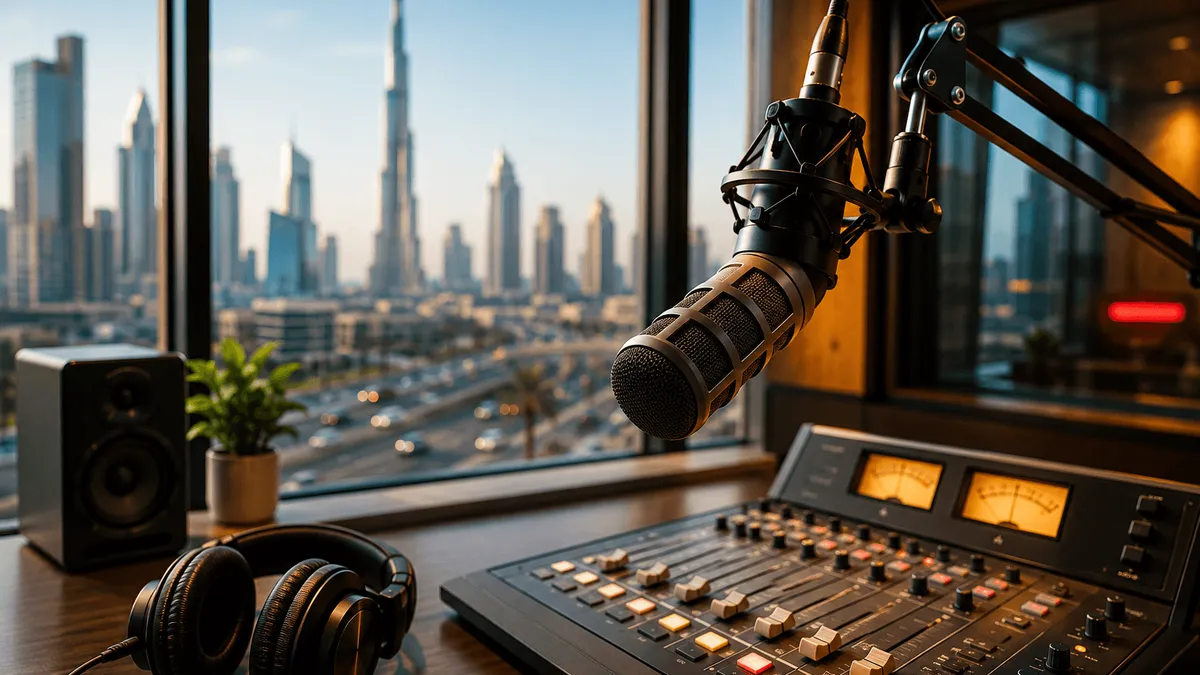
For example, stations like Virgin Radio Dubai or Dubai Eye 103.8 reach audiences who are already living, working, and commuting in the same area where the event will take place.
This is extremely valuable for event marketers because:
- You are targeting people who can actually attend
- You reduce wasted impressions outside the event location
- You reach commuters and residents multiple times a day
2. High Attention During Daily Routines
Radio is consumed during everyday activities where people are highly attentive:
- Driving to work
- Commuting in taxis or public transport
- Working in offices or retail environments
- Doing household tasks
Unlike digital ads that can be skipped or ignored, radio is often the primary audio content in these situations. This means event messages are heard in moments when people are focused but not visually distracted.
As a result, listeners are more likely to absorb details like the following:
- Event date and time
- Venue location
- Ticket offers or promotions
3. Repetition Builds Strong Recall
Event advertising depends heavily on repetition. People rarely decide to attend an event after hearing about it once. They need repeated exposure.
Radio naturally supports this because:
- Ads are played multiple times throughout the day
- Campaigns can run for weeks leading up to an event
- Listeners hear the message in different moods and contexts
This repetition increases brand recall and helps embed event details into memory.
For example, hearing a concert announcement several times on the same station significantly increases the likelihood of ticket purchase.
4. Trust and Emotional Connection
Radio has a long history as a trusted medium. Many listeners feel a personal connection with radio presenters, hosts, and shows.
This trust transfers to advertisements. When a radio host promotes or mentions an event, it often feels more authentic than a standard online banner ad.
In addition:
- Radio voices create emotional tone (excited, urgent, energetic)
- Music and sound effects enhance event appeal
- Presenters can personally recommend events
This emotional storytelling is especially powerful for entertainment events like concerts, festivals, and live shows.
5. Cost-Effective Compared to Other Media
Compared to TV or large-scale digital campaigns, radio advertising is relatively affordable. This makes it accessible for:
- Small and medium-sized event organizers
- Local festivals and community events
- New or emerging event brands
Even with a limited budget, advertisers can achieve the following:
- High frequency of exposure
- Strong local coverage
- Targeted time slots (morning and evening peak hours)
This cost efficiency makes radio a practical choice for event marketing campaigns.
6. Drives Immediate Action
Radio is highly effective for short-term promotions because it can create urgency.
Well-crafted radio ads often include the following:
- “Limited tickets available”
- “This weekend only”
- “Book now” calls-to-action
- Promotional codes or QR references
Because listeners are often on the move (driving or commuting), they are more likely to act immediately, such as visiting a website, calling a booking line, or searching the event online.
7. Complements Digital Marketing
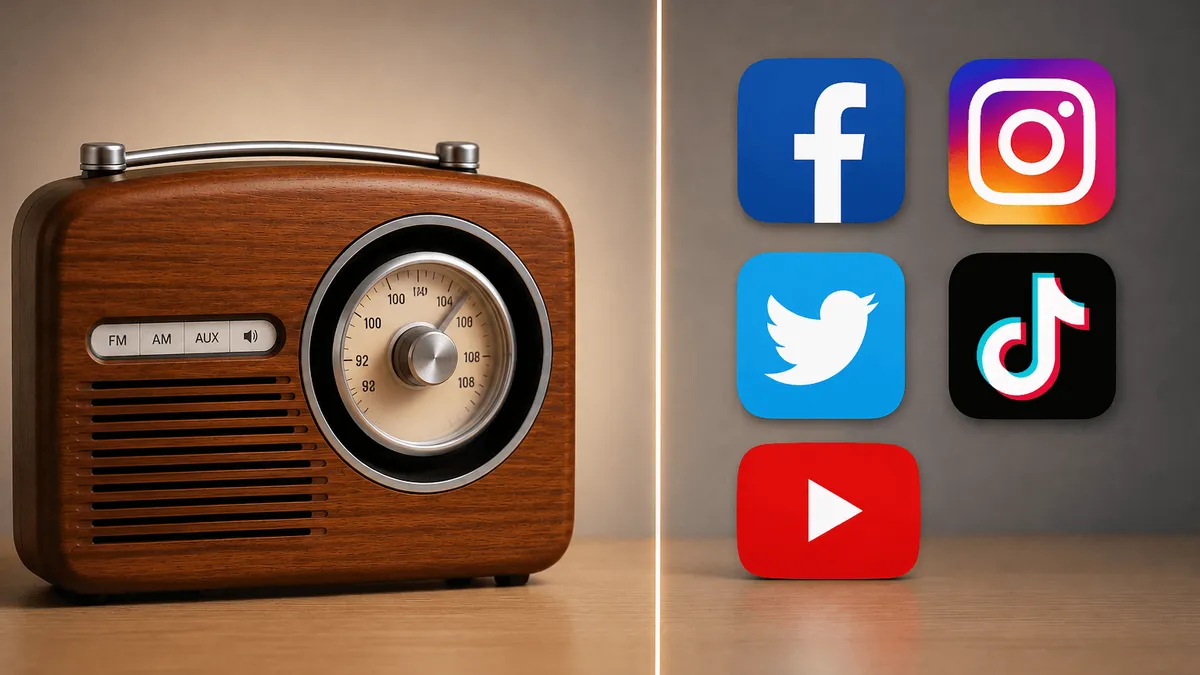
Radio advertising does not work in isolation; it works even better when combined with digital campaigns.
For example:
- A listener hears about an event on radio
- Later sees it again on Instagram or Google Ads
- Finally searches and buys tickets online
This multi-touch journey increases conversion rates significantly.
Radio acts as the awareness driver, while digital platforms handle conversion and retargeting.
8. Less Clutter Compared to Digital Ads
Online advertising is extremely crowded. Users are exposed to thousands of ads daily across social media, search engines, and websites.
Radio, however, offers:
- Fewer competing visual distractions
- More focused listening environments
- Stronger message retention
This reduced clutter helps event messages stand out more clearly.
9. Flexibility and Real-Time Updates
Radio campaigns can be updated quickly. This is important for event promotions because details often change.
For example:
- Ticket price adjustments
- Venue updates
- Additional performers or speakers
- Last-minute promotions
Radio stations can quickly adjust messaging, making it a flexible tool for dynamic event marketing.