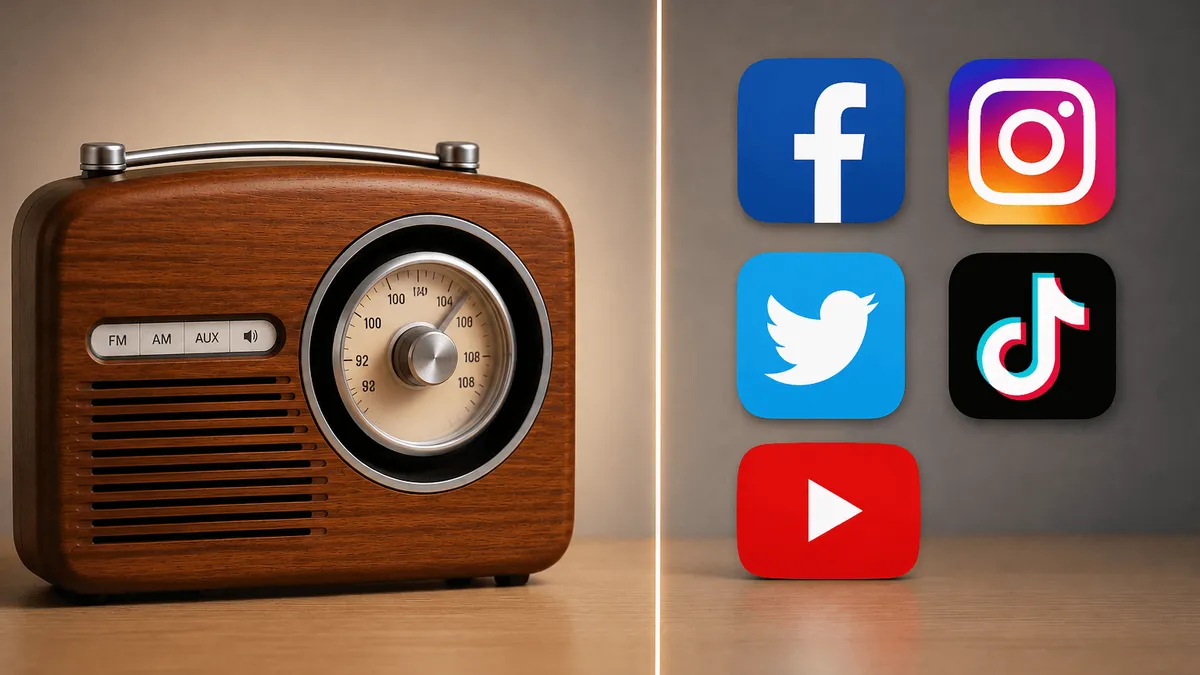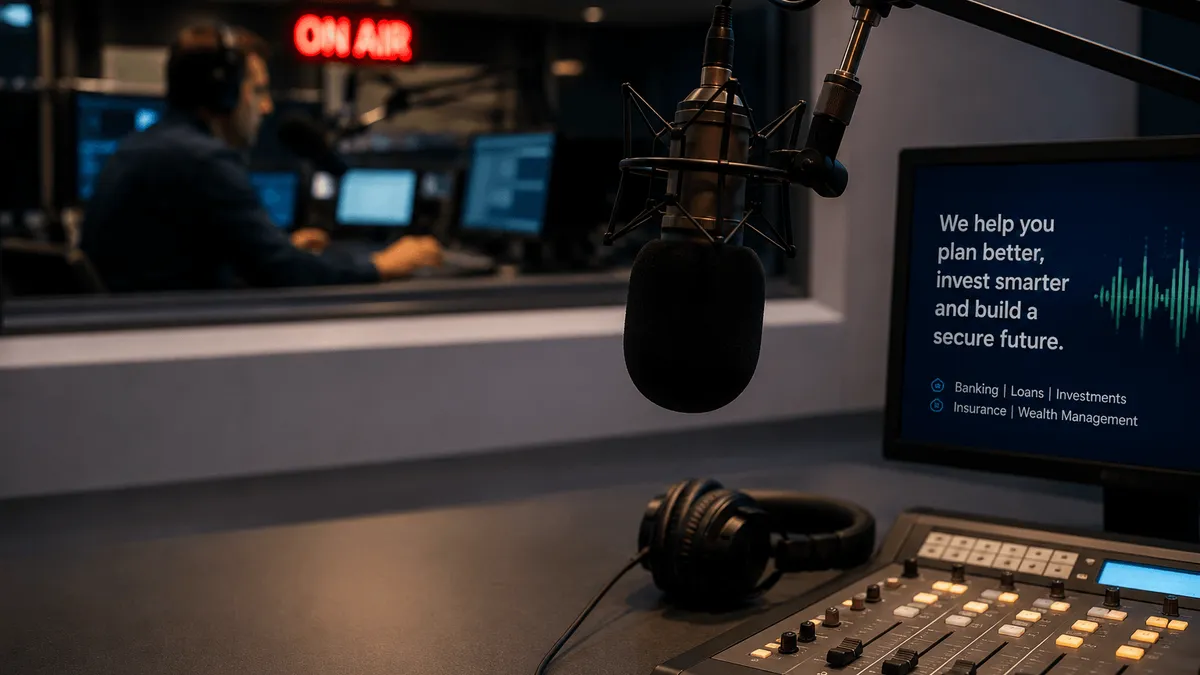
Despite the growth of digital marketing, radio remains one of the most effective ways for brands to reach large and engaged audiences. Millions of people listen to the radio every day while driving, working, exercising, or going about their daily routines. This consistent reach makes radio a valuable channel for building brand awareness and driving customer action.
However, simply airing an advertisement is not enough. To get the best results, brands need a clear strategy and a well-crafted message. Here are some of the most important radio advertising best practices to help your campaign succeed.
Know Your Audience
Every successful advertising campaign starts with understanding the target audience.
Different radio stations attract different listeners based on factors such as age, interests, lifestyle, and location. A sports station may appeal to a completely different audience than a business, news, or music station.
Before launching a campaign, identify who you want to reach and select stations and time slots that align with your ideal customers.
Keep the Message Simple
Radio listeners often hear advertisements while multitasking. Because of this, your message should be easy to understand and remember.
Avoid trying to communicate too many ideas in a single advertisement. Focus on one key message and deliver it clearly.
The most effective radio ads are often the simplest.
Grab Attention Immediately
You only have a few seconds to capture a listener's attention before they tune out or become distracted.
Start with:
- A compelling question
- An interesting fact
- A strong statement
- A relatable problem
An engaging opening encourages listeners to stay focused on the rest of the message.
Use a Conversational Tone
People respond better to messages that sound natural rather than overly scripted or corporate.
A conversational approach helps create a connection with listeners and makes the advertisement feel more authentic.
Write radio ads the way people speak in everyday conversations.
Highlight Benefits, Not Just Features
Many brands spend too much time talking about what they offer and not enough time explaining why it matters.
Instead of listing product features, focus on the benefits customers will receive.
For example, rather than promoting a restaurant's menu variety, emphasize the enjoyable dining experience or convenience it provides.
Include a Clear Call-to-Action
Every radio advertisement should tell listeners what to do next.
This could include:
- Visiting a website
- Calling a phone number
- Visiting a store
- Downloading an app
- Taking advantage of a special offer
Make the call-to-action simple, memorable, and easy to follow.
Repeat Important Information
Unlike digital or print advertising, radio listeners cannot go back and review what they heard.
If your advertisement includes important details such as a website, phone number, or promotional offer, repeat them at least once to improve recall.
Repetition helps listeners remember key information after the advertisement ends.
Use Professional Voice Talent
The voice delivering your message plays a significant role in how the brand is perceived.
A professional voice actor can add credibility, emotion, and personality to the advertisement. The right voice should match your brand's identity and appeal to your target audience.
Maintain Consistency Across Campaigns
Radio advertising works best when listeners hear your message repeatedly over time.
Using consistent branding, slogans, tone of voice, and messaging across multiple advertisements helps strengthen recognition and improve brand recall.
Consistency also makes your campaigns more memorable.
Integrate Radio With Other Marketing Channels
Radio advertising becomes even more effective when combined with other marketing efforts.
For example, listeners may hear your advertisement on the radio and later encounter your brand through:
- Social media
- Search advertising
- Outdoor advertising
- Email marketing
- Digital display campaigns
A multi-channel approach reinforces your message and increases the likelihood of customer engagement.
Test and Measure Performance
Like any marketing activity, radio advertising should be measured and optimized.
Track metrics such as:
- Website traffic
- Phone enquiries
- Promotional code usage
- Store visits
- Lead generation
Monitoring performance helps identify what is working and where improvements can be made.