Radio and podcast advertising are experiencing a powerful transformation as brands increasingly combine the reach of traditional audio with the engagement of digital listening platforms. Instead of treating radio and podcasts as separate channels, advertisers are using them together to create broader, more targeted, and more effective audio campaigns.
This strategy — often called audio advertising integration — allows brands to reach audiences during commutes, workouts, work hours, and personal listening moments.
1. Expanding Reach Across Different Listening Habits
Radio remains one of the most widely consumed forms of audio, especially for:
- Daily commuting
- Local news and entertainment
- Live events
- Community-focused programming
Podcasts attract audiences looking for:
- Specialized topics
- Deep conversations
- Educational content
- Entertainment on demand
By combining both channels, brands can reach both mass audiences and highly engaged niche communities.
2. Building Stronger Brand Recall Through Audio
Audio creates a unique connection because listeners often consume it while doing other activities.
Unlike visual advertising, audio can become part of a person's routine:
- Morning drive radio
- Evening podcast listening
- Exercise sessions
- Travel time
Repeated exposure through multiple audio formats helps brands build familiarity and trust.
3. Combining Radio’s Scale With Podcast’s Engagement
Radio provides:
- Large audience reach
- Local market influence
- Real-time messaging
- High frequency
Podcasts provide:
- Loyal audiences
- Longer listening sessions
- Host credibility
- Stronger personal connection
Together, they create a balanced strategy: radio introduces the brand to many people, while podcasts deepen the relationship.
4. Using Better Targeting and Data
Traditional radio advertising often relied on broad audience estimates. Digital podcast advertising adds more advanced targeting capabilities.
Brands can now target based on:
- Listener interests
- Geographic location
- Listening behavior
- Content preferences
- Demographic insights
This allows companies to deliver more relevant messages while still benefiting from audio’s broad appeal.
5. Podcast Hosts Create Trust
One of the biggest advantages of podcast advertising is host influence.
Listeners often develop strong relationships with podcast personalities. When a host personally recommends a product, it can feel more like advice from a trusted source than a traditional advertisement.
Host-read ads can be especially effective because they often include:
- Personal stories
- Product experiences
- Natural conversations
- Authentic recommendations
6. Reaching Audiences Beyond Traditional Media
Many younger consumers spend less time with traditional broadcast media but actively listen to podcasts and streaming audio.
Combining radio and podcasts helps brands connect across generations:
- Older audiences through traditional radio
- Younger audiences through podcasts and digital audio
- Mobile audiences through streaming platforms
7. Improving Campaign Frequency
Successful advertising often depends on repeated exposure.
A combined audio strategy allows brands to appear across multiple moments:
Morning: Radio advertisement during a commute
Afternoon: Podcast sponsorship during work or study
Evening: Streaming audio campaign during personal time
This creates consistent brand presence throughout the day.
8. Making Campaigns More Measurable
Digital audio provides advertisers with stronger performance tracking.
Brands can measure:
- Ad impressions
- Completion rates
- Listener engagement
- Website visits
- Promo code usage
- Brand awareness changes
This helps marketers understand how audio contributes to business results.
9. Creating Cross-Platform Storytelling
Modern campaigns often use radio and podcasts as parts of one larger story.
For example:
- Radio introduces a new product launch
- A podcast explains the brand story in depth
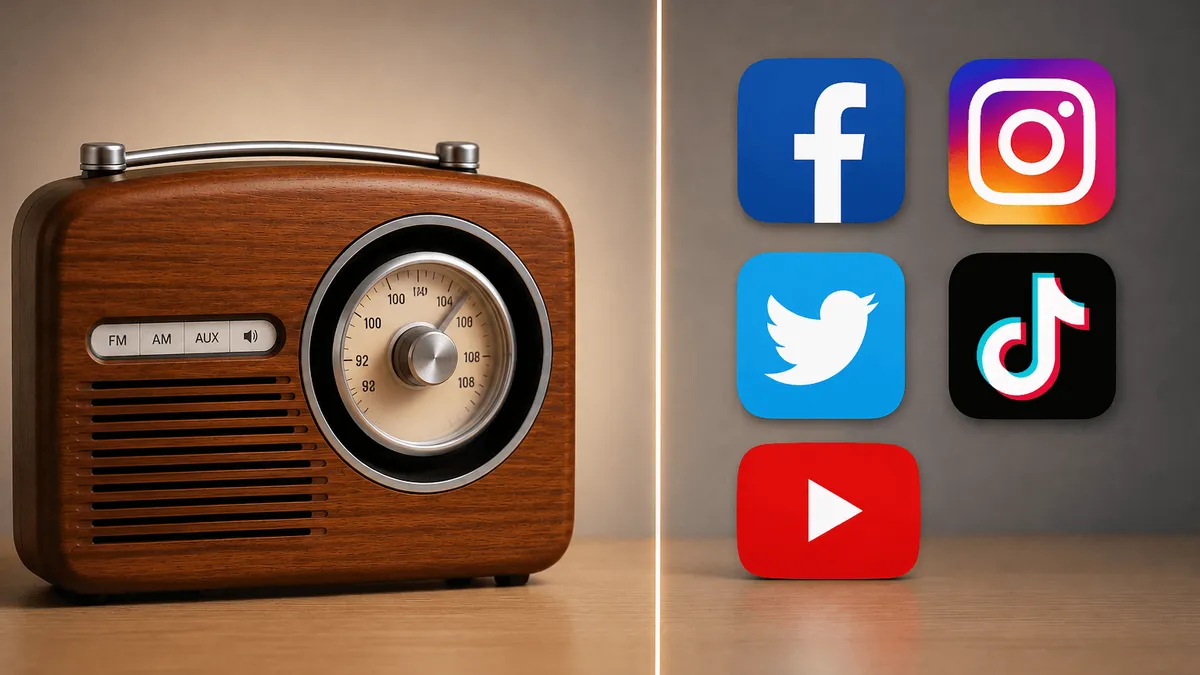
- Social media extends the conversation
- Digital ads encourage action
This creates a connected customer journey rather than isolated advertisements.
10. Audio Advertising Fits the Growth of Multitasking
Consumers increasingly listen while:
- Driving
- Cooking
- Exercising
- Working
- Traveling
Audio reaches people during moments when screens are unavailable or inconvenient.
This makes radio and podcast advertising valuable complements to visual advertising channels.
Industries Increasing Audio Investment
Many industries are expanding their use of combined radio and podcast campaigns:
- Automotive
- Financial services
- Technology
- Retail
- Healthcare
- Travel
- Entertainment
- Education
These sectors benefit from audio’s ability to explain, persuade, and build emotional connections.